
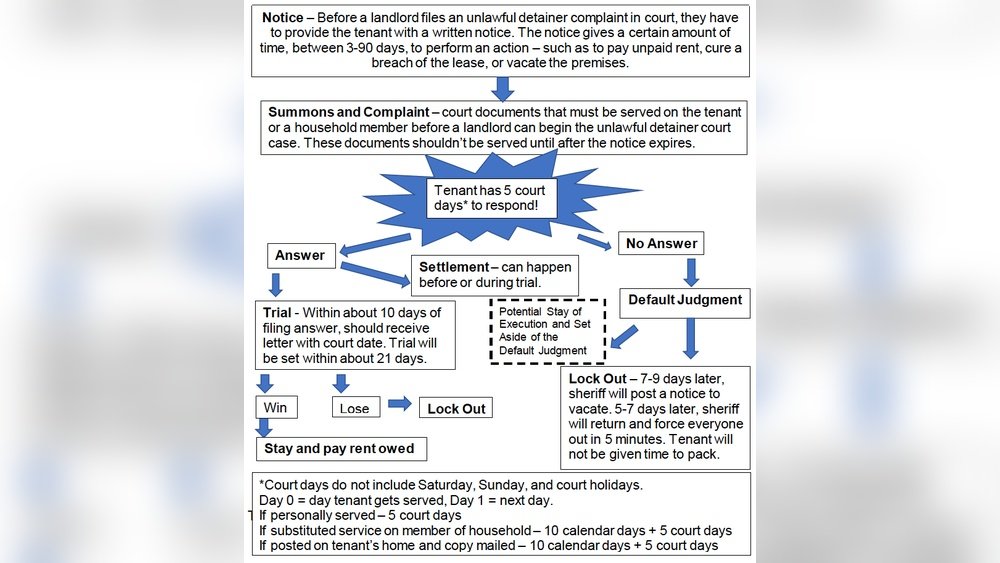
Facing an eviction can be overwhelming, especially when you’re unsure about how long the process might take. If you’re a tenant or a landlord, understanding the eviction timeline in your state is crucial to prepare and protect your rights.
But here’s the catch—the eviction process isn’t the same everywhere. It varies significantly from state to state, with different steps, notices, and court procedures that can affect how quickly or slowly things move. You’ll get a clear, easy-to-follow overview of the general eviction process timeline by state.
Knowing what to expect can help you act confidently, avoid costly delays, and take control of your situation. Keep reading to learn exactly how the eviction process unfolds in your area and what key factors might speed it up or hold it back.
Eviction Notice Periods
Eviction notice periods set the time landlords must give tenants before starting eviction actions. These periods vary widely by state and type of eviction. Understanding these notice requirements helps tenants and landlords prepare for the next steps. Notice periods aim to provide fair warning and time to respond or move out.
Notice Requirements By State
Each state sets its own rules for eviction notices. Some require landlords to give written notices for non-payment of rent. Others demand notices for lease violations or ending month-to-month agreements. The notice must clearly state the reason and the time to fix the problem or leave.
In some states, landlords must send notices by certified mail or hand delivery. Courts may reject eviction cases without proper notice. Tenants should check their state laws for exact rules.
Common Notice Timeframes
Notice periods usually range from 3 to 30 days. A 3-day notice is common for unpaid rent. Thirty-day notices often apply to month-to-month leases ending. Some states require 7 or 10 days for lease breaches.
Shorter notices push faster evictions. Longer notices give tenants more time to respond or move out. The type of violation affects notice length in many states.
Reasons For Different Notice Lengths
States set different notice lengths based on fairness and urgency. Non-payment of rent often gets a shorter notice to protect landlords. Lease violations get longer notices to allow tenants to fix issues.
Ending a lease usually requires the longest notice to give tenants time to find new housing. Some states consider local housing market conditions when setting notice periods. These rules balance tenant rights and landlord needs.
Filing The Eviction Lawsuit
Filing the eviction lawsuit marks a critical step in the eviction process. It begins once the landlord decides to take legal action against the tenant. This step requires careful attention to timing and documentation to avoid delays or dismissal of the case. Each state may have different rules on how and when to file, but the core procedures share many similarities.
When To File After Notice
The landlord must wait for the notice period to end before filing. The notice period varies by state and the reason for eviction. Usually, it ranges from 3 to 30 days. Filing too early can cause the court to reject the case. Filing too late may extend the tenant’s stay. Acting promptly after the notice expires speeds up the process.
Required Legal Documents
The landlord needs to prepare several documents for filing. The primary document is the complaint or petition. It outlines the reason for eviction and the facts of the case. A copy of the eviction notice is often required. Proof of service of the notice may also be needed. All documents must meet state-specific legal standards to be accepted.
Filing Fees And Court Locations
Filing an eviction lawsuit involves paying a fee. The amount varies by state and county courts. Some states allow fee waivers for low-income landlords. The lawsuit is filed at the local courthouse where the property is located. Many courts now offer online filing options. Knowing the correct court saves time and prevents errors.
Serving The Tenant
Serving the tenant is a crucial step in the eviction process. It officially notifies the tenant about the landlord’s actions. This step starts the legal timeline for eviction in most states. Landlords must follow specific rules to serve tenants properly. Incorrect service can delay the eviction or cause legal issues.
Methods Of Service
Landlords can serve tenants in several ways. Personal delivery is the most common method. This means handing the notice directly to the tenant. If the tenant is not available, landlords may leave the notice with an adult at the residence. Some states allow posting the notice on the door. Certified mail with a return receipt is also accepted in many areas. Each state sets rules on which methods are valid.
Timing For Service
The timing of service depends on state law and notice type. Notices usually require a specific period before filing for eviction. For example, a 3-day notice to pay rent or quit means the tenant has three days to respond. The clock starts once the tenant receives the notice. Serving the tenant late can reset the timeline. Landlords should serve notices promptly to avoid delays.
Proof Of Service Importance
Proof of service is vital in eviction cases. It shows the court that the tenant received the notice. Without proof, the eviction may be dismissed. Proof can be a signed receipt or affidavit of service. Landlords often use certified mail receipts or a process server’s report. Keeping records helps landlords defend their case. Courts require clear evidence of proper service.
Court Hearing Process
The court hearing process is a key step in the eviction timeline. It gives both landlord and tenant a chance to present their case. This phase usually follows the filing of the eviction lawsuit and serving of the court summons. Understanding what happens at the hearing helps tenants and landlords prepare well.
Scheduling And Delays
Once the eviction suit is filed, the court sets a hearing date. Scheduling depends on the local court’s calendar and workload. Some courts may have fast hearings within a week. Others might take several weeks due to heavy caseloads. Delays can also happen if either party requests more time or a continuance.
What To Expect At The Hearing
At the hearing, both landlord and tenant speak before a judge. Each side presents evidence and states their case clearly. The judge listens to all facts and asks questions if needed. After hearing both sides, the judge decides whether to grant the eviction or dismiss the case. The decision is usually made the same day or within a few days.
Tenant’s Rights To Respond
Tenants have the right to answer the eviction complaint. They can explain their side and show proof if rent was paid or rules were followed. Tenants may also bring witnesses or documents supporting their defense. The hearing is the tenant’s chance to challenge the eviction before judgment. Legal advice can help tenants understand and use their rights effectively.
Judgment And Enforcement
The judgment and enforcement stage marks a critical point in the eviction process. After the court hearing, the judge decides if the landlord can regain possession of the property. This decision leads to formal actions that enforce the eviction. The landlord often needs to follow strict rules to make sure the eviction is legal and effective.
Understanding the types of judgments is essential. Each state may have different rules on how judgments are issued and enforced. After the judgment, the landlord can request a writ of possession. This writ is an official court document that allows law enforcement to remove the tenant if they do not leave voluntarily.
Judgment Types
Judgments can be final or conditional. A final judgment means the landlord wins the case and can proceed with eviction. Conditional judgments may allow the tenant time to pay rent or correct lease violations before eviction. Some states allow money judgments for unpaid rent along with possession orders. Knowing the judgment type helps landlords plan next steps.
Issuing The Writ Of Possession
The writ of possession is a court order that enforces the eviction. The landlord must request this writ after winning the case. It authorizes law enforcement to physically remove the tenant if they refuse to leave. The timing for issuing a writ varies by state and local rules. Landlords should check timelines to avoid delays.
Sheriff Or Constable Lockouts
Law enforcement officers like sheriffs or constables carry out lockouts. They arrive at the property with the writ of possession. Officers give tenants a final chance to leave voluntarily. If tenants stay, officers change locks and secure the property. This step marks the end of the eviction process and gives landlords control of their property again.
Factors Extending Timelines
The eviction process timeline varies widely by state due to many factors. Some elements can delay the timeline significantly. These factors can increase the time it takes for landlords to regain possession of their property. Understanding these common causes helps landlords and tenants prepare better for the process.
Tenant Requests And Defenses
Tenants can request delays during eviction cases. They may ask for a jury trial or continuance to buy more time. Defenses like claiming improper notice or repairs needed can also slow the process. Each request requires court approval, which adds days or weeks. These tenant actions can extend the timeline beyond the usual period.
Court Backlogs
Court backlogs are common in many states. Courts with heavy caseloads schedule hearings weeks later. This delay pushes the eviction timeline further. Some courts prioritize criminal cases over eviction cases, causing longer waits. The availability of judges and courtrooms also affects timing. Backlogs vary by location and time of year.
Landlord Procedural Errors
Landlords must follow strict procedures to file evictions. Errors in paperwork or missing steps cause delays. Incorrect notice periods or filing in the wrong court slow down the case. Courts often reject filings with mistakes, requiring corrections. Landlords must be precise to avoid extending the timeline unnecessarily.
State-specific Timeline Examples
Eviction timelines differ by state due to varying laws and procedures. Knowing specific state timelines helps landlords and tenants prepare for each step. Each state has unique rules for notices, court filings, hearings, and enforcement. Below are examples from Texas, Alabama, and Arkansas to illustrate typical timelines.
Texas Eviction Timeline
In Texas, the eviction process usually starts with a written notice. The landlord gives a notice to vacate, often 3 days long. After the notice expires, the landlord files an eviction lawsuit called a “Forcible Entry and Detainer.”
The court then serves the tenant with a citation. The hearing is scheduled within a few weeks. If the landlord wins, the court issues a judgment and writ of possession. The sheriff enforces the lockout, typically within a few days after the writ.
Delays can happen due to tenant requests for jury trials or court backlogs. The whole process often takes 3 to 6 weeks but can be longer. Acting quickly after the notice period reduces total time.
Alabama Eviction Timeline
Alabama requires landlords to provide a notice depending on the reason for eviction. For non-payment of rent, landlords must give a 7-day notice. Other reasons may require a 14-day or longer notice.
After the notice, landlords file a dispossessory warrant at the local court. The court sets a hearing date within 7 to 14 days. If the court rules for eviction, the tenant usually has a few days to move out.
If the tenant does not leave, the sheriff carries out the eviction. The entire process generally takes about 3 to 5 weeks. Delays can occur if tenants request continuances or if courts are busy.
Arkansas Eviction Process
Arkansas uses a court process called “Unlawful Detainer” for most evictions. Landlords must avoid self-help methods like changing locks or shutting off utilities.
The landlord first gives a written notice to the tenant, usually 5 days for non-payment of rent. Then, the landlord files an unlawful detainer complaint with the court.
The court schedules a hearing within 10 to 15 days. If the landlord wins, the court issues a writ of possession. The sheriff enforces the eviction within a few days after the writ is issued.
The full process generally lasts 3 to 6 weeks. Tenant actions or court delays may extend this timeline.
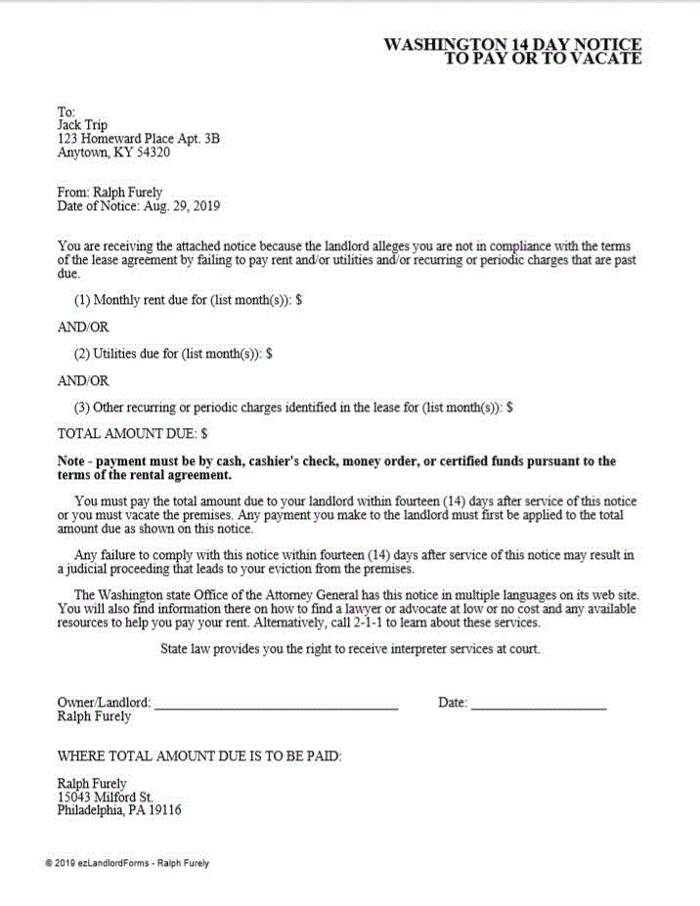
Credit: www.ezlandlordforms.com
Prohibited Landlord Actions
Landlords must follow strict rules during the eviction process. Certain actions are illegal and can delay or stop an eviction. Knowing these prohibited acts helps landlords avoid legal trouble. Tenants also gain protection from unfair treatment.
No Self-help Evictions
Landlords cannot remove tenants without a court order. They cannot change locks or shut off access themselves. Taking such steps is called a self-help eviction. This practice is illegal in all states. Only a sheriff or authorized officer can enforce an eviction. Violating this rule may result in fines or lawsuits.
Restrictions On Lockouts And Utilities
Locking out tenants without a legal order is prohibited. Landlords must not shut off utilities like water or electricity to force tenants out. These actions are considered harassment. Courts view them as serious violations. Landlords must wait for a court judgment before any lockout or utility disconnection.
Handling Tenant Property
Landlords must handle tenant belongings carefully after eviction. They cannot throw away or keep property without following state laws. Many states require landlords to store tenant items safely for a set time. Tenants have the right to reclaim their possessions. Improper disposal can lead to legal claims against landlords.
Tenant Rights During Eviction
Tenants have specific rights during the eviction process. These rights protect them from unfair treatment and ensure a lawful procedure. Understanding these rights helps tenants know what to expect and how to respond. Each state may vary, but some protections are common across the country.
Right To Proper Notice
Tenants must receive a written notice before eviction begins. The notice period varies by state and type of eviction. This notice gives tenants time to prepare or fix the issue. Without proper notice, eviction cannot legally proceed.
Right To Court Hearing
Tenants have the right to a court hearing before eviction. This hearing lets tenants present their side and challenge the eviction. Landlords cannot forcibly remove tenants without a court order. Attending the hearing is crucial to protect tenant rights.
Protection Of Personal Property
Tenants’ belongings must be handled with care during eviction. Landlords cannot throw away or sell property without following rules. Some states require landlords to store items safely for a set time. Tenants should know their rights to reclaim their possessions.
Tips For Landlords To Speed Process
Speeding up the eviction process benefits landlords by reducing lost rent and minimizing property risks. Efficient actions during each step can shorten delays and avoid common pitfalls. Proper preparation and quick responses keep the process moving smoothly.
Timely Filing After Notice
File the eviction lawsuit promptly after the notice period ends. Delaying this step causes unnecessary waiting and possible tenant resistance. Courts often schedule hearings based on filing dates. Early filing helps secure an earlier court date and faster resolution.
Accurate Documentation
Keep all eviction paperwork clear and complete. Include the original lease, the notice to vacate, and any communication with the tenant. Accurate documents prevent court rejections or delays. Organized files show professionalism and support your case effectively.
Working With Legal Counsel
Consult an attorney familiar with local eviction laws. Legal experts guide you through complex procedures and deadlines. They help avoid errors that cause delays or dismissals. Having legal support ensures compliance and speeds up court approval.

Credit: tennesseelookout.com
Frequently Asked Questions
How Long Does Eviction Take In Tx?
Eviction in Texas typically takes 3 to 6 weeks from notice to sheriff lockout. Delays occur due to court schedules or tenant actions.
How Long Do You Have To Move Out After Eviction In Alabama?
In Alabama, tenants typically have 7 days to move out after an eviction judgment. The landlord may seek a writ of possession if the tenant stays longer. Court procedures and timelines can vary by county.
How Long Does It Take For An Eviction Order?
An eviction order typically takes 1 to 3 months, depending on state laws and court schedules. Delays may occur due to tenant actions or landlord errors.
What Are The Rules For Eviction In Arkansas?
Arkansas eviction rules require landlords to provide written notice, file an Unlawful Detainer lawsuit, and get a court order. Landlords cannot use self-help tactics like lockouts or utility shutoffs. Tenants have rights to notice, a hearing, and legal handling of their property after eviction.
Conclusion
Understanding the eviction process timeline helps tenants and landlords plan better. Each state has unique steps and timeframes to follow. Delays often come from court schedules or tenant actions. Acting promptly after the notice ends speeds up the process. Knowing these timelines reduces surprises and confusion for everyone involved.
Stay informed to handle eviction situations calmly and fairly.
Related Guides and Official References
For related landlord-software coverage, see our guides to TenantCloud vs Avail, property-management software for 10–50 units, and legal practice-management software.
Eviction rules and deadlines vary by state and can change. Verify the applicable procedure with the relevant court or a qualified attorney. The Texas State Law Library eviction-process guide and California Courts eviction guide show how state-specific procedures differ. The National Low Income Housing Coalition eviction overview provides additional general context.