

Reader-supported: some links are partner links; we may earn a commission at no extra cost to you, and it never affects our verdict. See our disclosure.
Quick verdict: If budget allows, Follow Up Boss ($69/mo) is the best CRM for solo agents who take lead follow-up seriously. For better value, Wise Agent and Lone Wolf Relationships (~$25–$30/mo, the successor to the now-discontinued LionDesk) cover the essentials affordably. All-in-one platforms like kvCORE/Lofty ($499+/mo) are overkill for most solos.
Compared at a glance (2026)
| CRM | Best for | Starts at |
|---|---|---|
| Follow Up Boss | Serious solo agents / future teams | $69/mo |
| Wise Agent | Affordable all-rounder | ~$49/mo |
| Lone Wolf Relationships | Budget (ex-LionDesk users) | ~$25–$30/mo |
Note: LionDesk was discontinued in late 2025 and migrated to Lone Wolf Relationships. Pricing verified via USAgentLeads and Jamil Academy.
How we review: total cost at your portfolio size, ease of use, feature depth, support, and real user feedback — see our methodology. Last updated June 2026.
If you’re a solo real estate agent, managing every client, lead, and deal on your own can feel overwhelming. You want to stay organized, follow up on every opportunity, and close more sales — all without drowning in paperwork or missing important tasks.
That’s where the right CRM (Customer Relationship Management) tool becomes your secret weapon. Choosing the best CRM tailored for solo agents like you means having a simple, powerful system that keeps everything in one place, automates routine work, and helps you build stronger relationships with your clients.
Keep reading to discover which CRMs are designed to boost your productivity, save you time, and grow your real estate business faster than ever.
Top Crms For Solo Agents
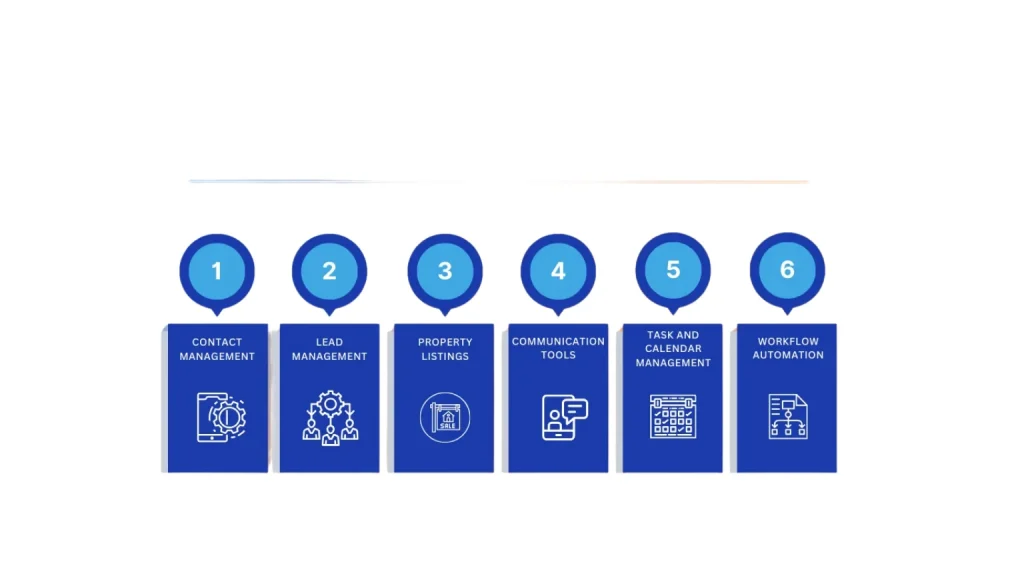
Solo real estate agents need tools that simplify client management and boost productivity. The best CRMs for solo agents combine ease of use with powerful features. These platforms help track leads, automate follow-ups, and organize contacts effectively. Each CRM offers unique strengths tailored to solo agents’ daily tasks.
Wise Agent
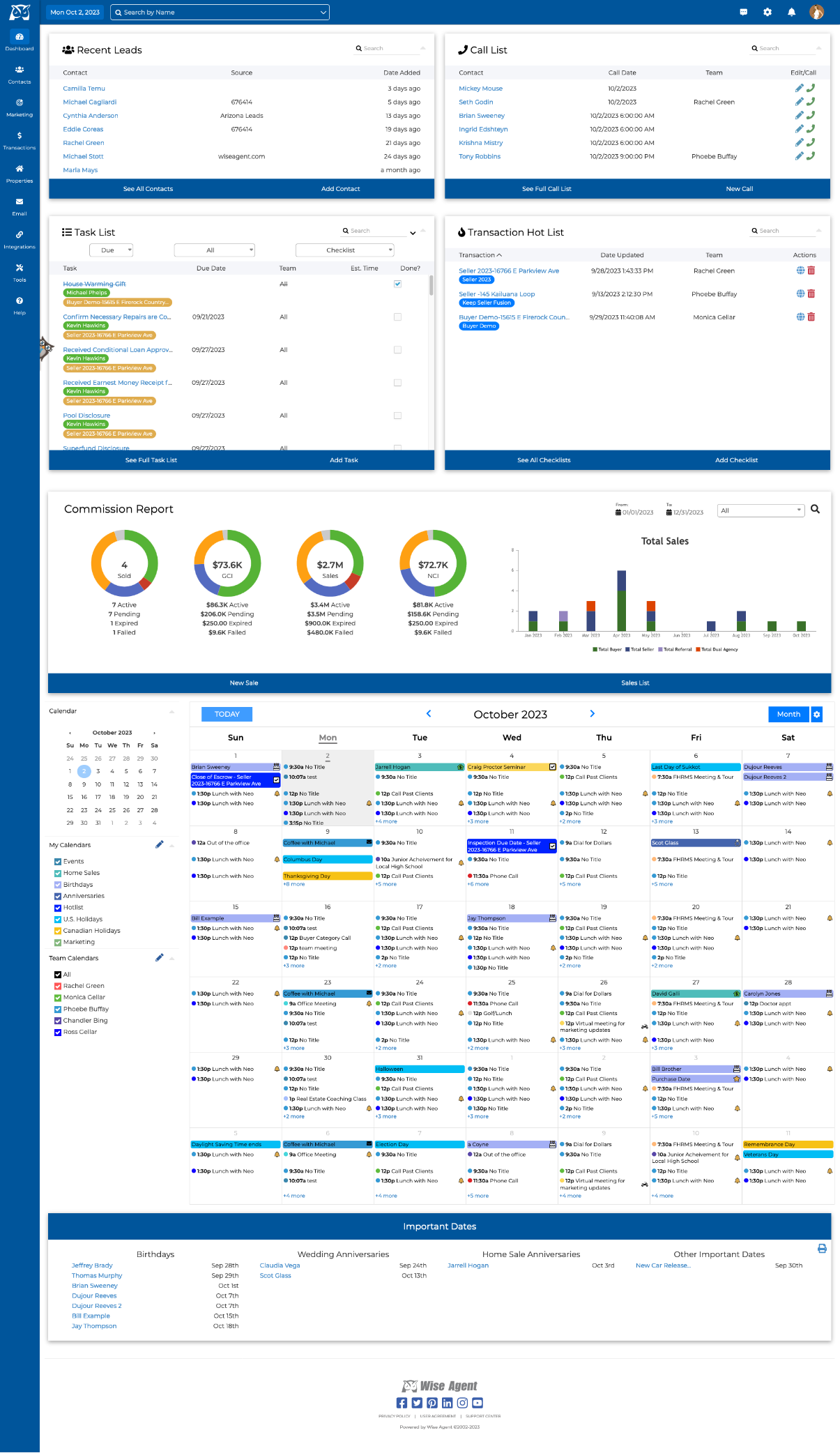
Wise Agent provides a simple interface with strong automation features. It centralizes client information and tracks all interactions in one place. This CRM supports email, text messaging, and task reminders to keep agents on schedule. Wise Agent also offers marketing tools to create campaigns easily. Its affordability suits agents managing a growing client base.
Follow Up Boss
Follow Up Boss focuses on lead management and communication. It integrates with many lead sources to capture potential clients automatically. The CRM allows quick follow-ups through calls, texts, or emails within the platform. Solo agents can use its pipeline views to monitor deal progress. Follow Up Boss improves response time and client connection.
Liondesk
LionDesk offers a flexible system for contact and lead tracking. It automates reminders and follow-up messages to nurture relationships. Agents can manage videos, emails, and texts all in one place. The CRM supports integrations with many real estate tools. LionDesk suits solo agents wanting customization and multi-channel communication.
Realvolve
Realvolve stands out with its workflow automation and transaction management. It helps agents handle deals step-by-step with built-in task lists. The CRM tracks contacts, notes, and documents efficiently. Realvolve’s automation reduces manual work and errors. It fits solo agents focused on organizing complex transactions smoothly.
Hubspot
HubSpot delivers a free CRM with essential features for solo agents. It organizes contacts, tracks deals, and sends email sequences. The platform includes marketing tools like forms and landing pages. HubSpot’s user-friendly dashboard shows sales performance clearly. Solo agents benefit from its scalability as their business grows.
Credit: wiseagent.com
Key Features To Look For
Choosing the best CRM for solo real estate agents means focusing on key features. These features help manage clients, leads, and deals efficiently. A good CRM simplifies daily tasks and improves productivity. It also enhances client relationships and boosts sales. Below are essential features every solo agent should consider.
Contact Management
Organizing client details is crucial for real estate agents. A CRM should store names, phone numbers, emails, and notes. It must allow easy search and update of contacts. Keeping track of past interactions helps provide personalized service. Centralized contact management saves time and avoids lost information.
Lead Tracking
Lead tracking lets agents follow potential buyers and sellers. The CRM should capture leads from websites, social media, and referrals. It helps prioritize leads based on interest and readiness to buy. Automated reminders ensure timely follow-ups. This feature increases chances of converting leads into clients.
Automation Tools
Automation reduces repetitive work like sending emails or scheduling calls. The CRM should send automatic follow-up messages and task alerts. Agents can set workflows for nurturing leads and managing deals. Automation keeps clients engaged without extra effort. It frees time for more important tasks.
Marketing Capabilities
Marketing tools within a CRM boost an agent’s visibility. Creating email campaigns and newsletters should be simple. Integration with social media platforms helps promote listings. Some CRMs offer templates for ads and posts. These tools support reaching more clients and building brand awareness.
Transaction Management
Managing deals from offer to closing is vital. The CRM should track contracts, deadlines, and documents. It helps agents stay organized and avoid missing steps. Transaction management tools make the closing process smooth. This feature reduces errors and improves client satisfaction.
Reporting And Analytics
Reports provide insight into business performance and client behavior. The CRM should generate sales, lead source, and activity reports. Analytics help identify strengths and areas needing improvement. Agents can make informed decisions based on data. This feature supports growth and goal tracking.
Pricing And Plans
Understanding pricing and plans helps solo real estate agents pick the right CRM. Different CRMs offer varied costs and features. Knowing what fits your budget and needs saves money and boosts productivity.
Affordable Options
Many CRMs have plans under $30 per month. These plans cover basics like contact management and lead tracking. Some tools charge less for solo agents than for teams. Affordable CRMs help agents start without heavy costs.
Subscription Tiers
CRMs often offer multiple subscription levels. Basic tiers include essential tools for solo agents. Higher tiers add features like automation and marketing. Choose a tier that matches your current needs. You can upgrade as your business grows.
Free Trials And Demos
Most CRMs provide free trials or demos. Trials usually last 7 to 14 days. They let you test features before paying. Demos show how the CRM works and answer questions. Use trials to find the best fit without risk.
Choosing The Right Crm
Choosing the right CRM is crucial for solo real estate agents. The right tool helps organize contacts, manage leads, and close deals efficiently. Picking a CRM that fits your work style saves time and reduces stress. Consider key factors that match your daily tasks and future growth.
Assessing Your Needs
Start by listing your main tasks and challenges. Do you need help with lead tracking or follow-up reminders? Think about your budget and the size of your contact list. A simple CRM may work better than a complex system. Focus on features that boost your productivity.
Ease Of Use
Choose a CRM with a clean and simple interface. You should spend less time learning and more time selling. Tools that are easy to navigate reduce mistakes and speed up work. Mobile access is a plus for agents on the go. Test free trials to feel how smooth the software runs.
Integration With Other Tools
Your CRM should connect with email, calendar, and marketing apps. Integration helps automate tasks and keeps all data in one place. Check if it links with popular real estate platforms or social media. Smooth connections save time and avoid double entry of information.
Customer Support
Reliable support is vital when you face technical issues. Look for CRMs with good customer service and helpful resources. Quick responses prevent downtime and keep your business running. Support options like chat, phone, or email add convenience. Read user reviews to know the quality of support.
Ai And Automation Benefits
AI and automation have changed how solo real estate agents work. These tools save time and reduce manual tasks. They help agents focus on building relationships and closing deals. Smart features make managing clients easier and faster. Automation also improves consistency and follow-up rates.
Many CRM systems now include AI-powered tools. These tools learn from data and help agents act at the right time. Automation can handle routine tasks without mistakes. This leads to better client experiences and more sales.
Automated Follow-ups
Automated follow-ups keep you in touch with clients without extra effort. The CRM sends emails or texts at set times to remind or update clients. This ensures no lead or client is forgotten. Timely follow-ups increase the chance of closing deals. You can customize messages to feel personal and relevant.
Smart Marketing Campaigns
Smart marketing campaigns target the right clients with the right message. AI helps segment your contacts based on behavior and preferences. The CRM sends tailored emails or ads automatically. This makes marketing more efficient and effective. You spend less time on planning and more on engaging leads.
Virtual Assistants
Virtual assistants in CRMs handle simple tasks like scheduling and answering questions. They work 24/7 to support your business. This means clients get quick replies anytime. Virtual assistants also help organize your day and remind you of important tasks. They reduce your workload and keep your business running smoothly.

Credit: www.freshworks.com
Popular Crm Platforms For Teams
Popular CRM platforms for teams offer tools that help real estate agents work together smoothly. These platforms handle many tasks like managing contacts, tracking leads, and automating follow-ups. They also support collaboration between team members, making it easier to share information and close deals faster.
Choosing the right CRM can improve communication and keep everyone on the same page. Here are some well-known CRM platforms designed for teams in real estate.
Follow Up Boss
Follow Up Boss focuses on helping teams manage leads and follow-ups efficiently. It centralizes all contacts and tracks every interaction with clients. Agents get reminders to contact leads at the right time. The platform also integrates with many lead sources. This ensures no lead is lost or forgotten. Follow Up Boss offers simple tools for team collaboration and reporting.
Boomtown
BoomTown provides an all-in-one solution for real estate teams. It includes lead generation, CRM, and marketing tools in one platform. Teams can track leads from first contact to closing. BoomTown automates follow-ups and sends personalized messages. The system offers detailed analytics to improve team performance. It is designed to grow with your team’s needs.
Salesforce
Salesforce is a powerful CRM platform used by many industries, including real estate. It offers extensive customization options to fit any team size. Salesforce helps teams manage contacts, leads, and sales pipelines easily. Automation tools reduce manual work and speed up processes. The platform supports integrations with many other apps. This makes it a flexible choice for real estate teams seeking advanced features.
Local Focus: Austin, Texas Tools
Solo real estate agents in Austin, Texas, benefit greatly from CRM tools designed for local needs. Austin’s market has unique trends and customer preferences. Using tools with a local focus helps agents stay competitive and connected.
These CRMs offer features tailored to Austin’s neighborhoods, property types, and client behavior. They simplify managing leads and transactions in this dynamic city. Agents can work more efficiently and close deals faster.
Region-specific Features
CRMs for Austin include features that match local real estate practices. They track neighborhood data, school zones, and zoning laws. Agents get updates on new listings and price changes specific to Austin. This helps agents provide accurate advice to clients.
Some tools also offer integration with local MLS systems. This ensures listings are current and comprehensive. Agents save time searching for properties and managing client preferences. Custom alerts notify users about market shifts in Austin.
Local Market Integration
CRMs designed for Austin connect with local market data sources. They pull information on recent sales, market trends, and buyer demand. This insight helps solo agents price homes competitively. Agents can tailor marketing strategies based on real-time data.
Integration with local marketing channels is common. Agents can promote listings through Austin-focused platforms and social media groups. This increases visibility among potential buyers in the area. Local partnerships and event tracking features also support community engagement.
Tips To Boost Sales With Crm
Using a CRM effectively can increase your real estate sales. It helps organize your contacts and follow up with leads. You can automate tasks and track your progress. These tips will show you how to boost sales using a CRM.
Lead Nurturing Strategies
Keep in touch with leads regularly. Send personalized emails to show you care. Use automated reminders to follow up on time. Share useful information about properties and market trends. Build trust step by step. This makes leads more likely to become clients.
Tracking And Analytics
Monitor your sales activities closely. Use CRM reports to see which leads respond best. Track calls, emails, and meetings. Analyze which actions bring more sales. Adjust your strategy based on these insights. This helps focus your time on what works.
Client Engagement
Engage clients with timely messages and offers. Use your CRM to remember important dates like birthdays. Send thank-you notes after meetings or deals. Ask for feedback to improve your service. Active engagement builds strong client relationships and loyalty.
Credit: archizsolutions.com
Frequently Asked Questions
What Crm Do Most Real Estate Agents Use?
Most real estate agents use CRMs like Wise Agent, Follow Up Boss, LionDesk, Propertybase, and Real Geeks. These tools manage leads, automate tasks, and streamline transactions efficiently.
What Is The 80/20 Rule For Realtors?
The 80/20 rule for realtors means 80% of results come from 20% of clients or activities. Focus on high-value leads to boost sales.
Which Crm Does Keller Williams Use?
Keller Williams uses KW Command, a proprietary, cloud-based CRM designed for managing contacts, leads, marketing, and transactions efficiently.
Is It Possible To Make $1 Million A Year As A Real Estate Agent?
Yes, real estate agents can earn $1 million annually by closing high-value deals and building a strong client base. Success requires skill, dedication, networking, and effective marketing strategies. Top agents often leverage technology and CRM tools to manage leads and grow their business efficiently.
Conclusion
Choosing the best CRM helps solo real estate agents stay organized and efficient. The right tool keeps contacts, leads, and deals in one place. It saves time by automating follow-ups and tasks. Simple features make managing clients easier and less stressful.
Focus on your needs, like budget and ease of use. Test a few options before deciding. A good CRM supports growth and smooth daily work. Start small, and upgrade as your business grows.